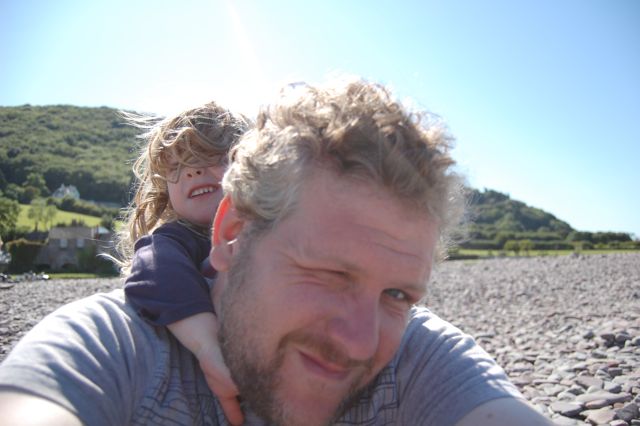
I spent a morning erecting a tent with Evan Davis for the Today Programme.

To accompany the act, I wrote an article for the Radio 4 site on the resurgence of camping and glamping. Listen and read here.
Category: Art of Camping book
The Art of Camping reviewed in The Independent and Telegraph
There was a fascinating review of my book published in The Independent and written by Ken Wolpole. I like the sound of the Flysheet movement he mentions and will investigate further.
“The author does for camping what the late Roger Deakin did for wild swimming, infecting the reader with his enthusiasm, while chastening us with stories of the darker aspects of the back-to-nature movement. The lightweight tent can be the naturalist’s best friend, but it has also provided a refuge for the survivalist with the Book of Revelations and an automatic gun. De Abaitua is not afraid to discuss the concentration camp and the labour camp alongside the holiday camp – and sometimes worry about connections between them all. His enthusiastic tone is enlivened by a self-deprecating wit: there is no better account of the rain-soaked family camping holiday than here.”
The Telegraph also published another review, this time written by Toby Clements.
“De Abaitua goes on to give all sorts of tips on campsite etiquette, lore, equipment and best practice, and his advice is convincing and honest. He is a lovely writer and his history is enlivened with tremendous flashes of wit. What is lovely, too, is his ambiguity about his passion. He doesn’t want to persuade anyone to take up camping, and with good pitches so few and far between, hurrah for that.”

Read an extract from The Art of Camping

Camping etiquette – Signs
Little warning signs and polite notices are the ruin of many a good campsite.
The camp manager needs will power not to put up a little sign every time someone transgresses. Signs proliferate and before you know it, the laundrette has a warning against the washing of dog baskets in the sink. And then your campsite is ruined. Different rules apply at camp. “Camp regulations should be as few as possible but firm and consistent,” notes a pamphlet issued by the Ministry of Education in 1951 advising on the organisation of group camps. But what are those regulations? And can all of them be written down on little signs?
For example, I recently stayed at a campsite where there could easily have been a sign that read:
“Please do not drunk drive to the toilets at midnight in your nightie. Even if it is raining.”
These days, people arrive at a campsite expecting some kind of holiday. It is no such thing. Consumerism creates an outrageous sense of entitlement that camping, reliant on self-sufficiency, preparation and patience, cannot meet. During an interview with a campsite owner, one of the staff confessed that a yurt occupant complained that their hot water bottle was too hot. I offered to draw up the little sign myself:
“Yurt occupants: you’ll get what you’re bloody well given.”
Once you start making signs, it’s hard to stop:
“Couples: Arguments about whose bloody idea it was to camp in the first place should be confined to your car.”
Actually, all sites could benefit from –
“Warning: tents do not afford aural privacy.”
Neither marital arguments nor their opposite bother me (“Polite notice: Campers are advised to get out of their sleeping bags before attempting intercourse.”) In fact, I regard the campsite as a laboratory for studying the modern relationship. At Glastonbury Festival, I missed all the bands and had to find my entertainment in other people’s marriages. I’d never seen a grown man sent back to his tent to change his undies before.
“Warning to men: please change your undies DAILY. Or when the occasion DEMANDS.”
The main bone of contention is noise. I used to play music on little speakers but everyone hates it, no matter how trendy or ambient the playlist. Most campsites have signs suggesting times for silence. More accurate would be:
“Campers please refrain from sharing theories about what really happened at 9/11 after 1am.”
And,
“No cackling.”
Then there is snoring. It is acceptable to complain about the obscene snoring of other campers to their face the morning after. Apparently. All I can do is shrug. However I have made a little sign suggesting that:
“It is not acceptable to climb into the tent of a snorer and press a pillow over their face.”
As I have always found that disturbs my deep and sonorous sleep.
Matthew De Abaitua’s The Art of Camping: The History and Practice of Sleeping Under the Stars is available now.
The Art of Camping book review in The Economist

A review of my book The Art of Camping was published in The Economist.
“In this delightful combination of history and memoir with a generous dollop of guidance thrown on top, Matthew De Abaitua, editor-at-large of the Idler and an inveterate backpacker, shines his torch under the flysheet of camping… read this gem of a book while you are sitting outside enjoying the fine art of camping.”
The Art of Camping tour
To launch my camping book The Art of Camping: The History and Practice of Sleeping Under the Stars, I will be performing at various festivals throughout the summer.
The talk will range from obscure camping cults to the best way to make pancakes over a campfire. There will be diversions on camping etiquette and the role of camping in alternative culture. We will address what to do in case of rain, sex, or loss of faith.

I will be compering and reading at The Free University of Glastonbury in The Park area of the festival, and extolling why we must camp at Port Eliot and Camp Bestival. In August, I am doing a joint event at the Edinburgh International Book Festival with Tom Hodgkinson (How To Be Idle and the forthcoming Brave Old World: A Practical Guide to Husbandry, or the Fine Art of Looking After Yourself). I will add events as and when they are confirmed to the feed below. And if any festival organisers or literary campsite owners want to bring my rolling camping talk to their event or site, you can contact me via the comments section of any post, the About page at the bottom of this page or twitter on @MDeAbaitua.
The Art of Camping book review in The Guardian
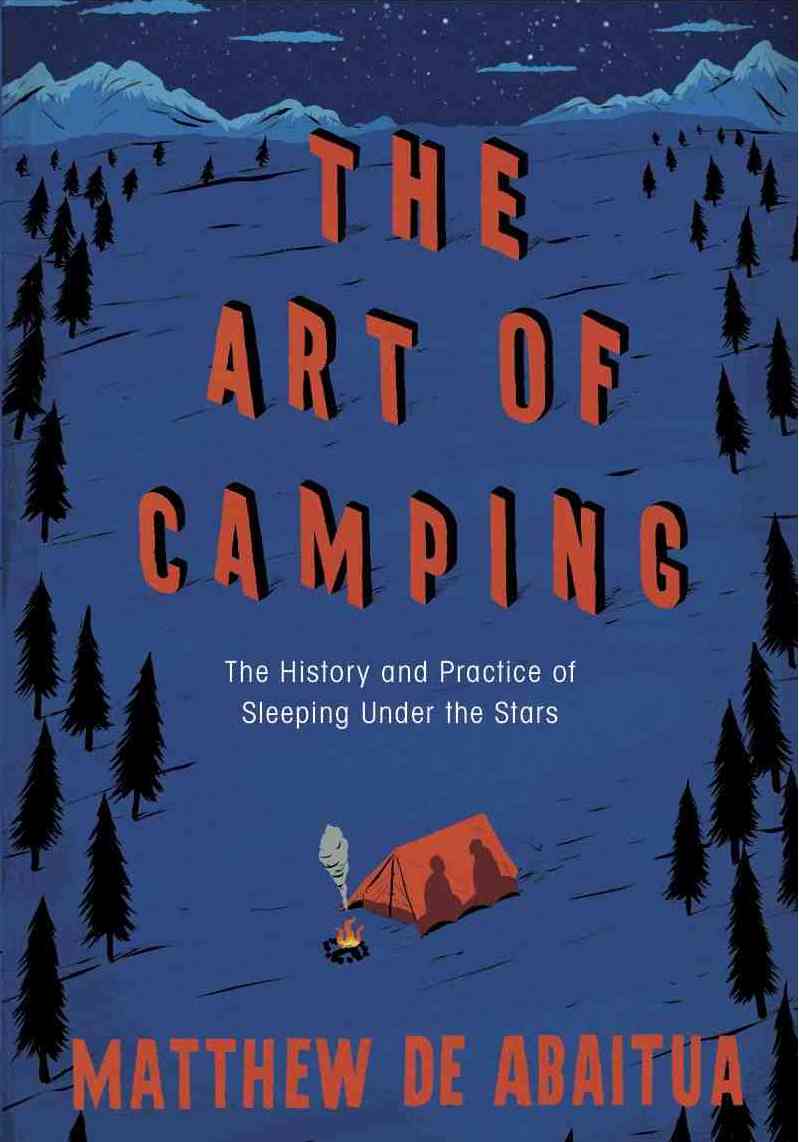
Kathryn Hughes reviewed The Art of Camping book in The Guardian:
“This is a lovely book, genre-busting as all good books must be these days. If you don’t wander over boundaries then you’re not doing it right (unless you’re camping, obviously, and then it’s important to stick to your allotted space – there’s nothing creepier than someone pitching too close, and doubtless the camp captain will be round to tell you off about it sharpish). So it’s part cultural history, part memoir and part guide.”
The Art of Camping book review in The Spectator
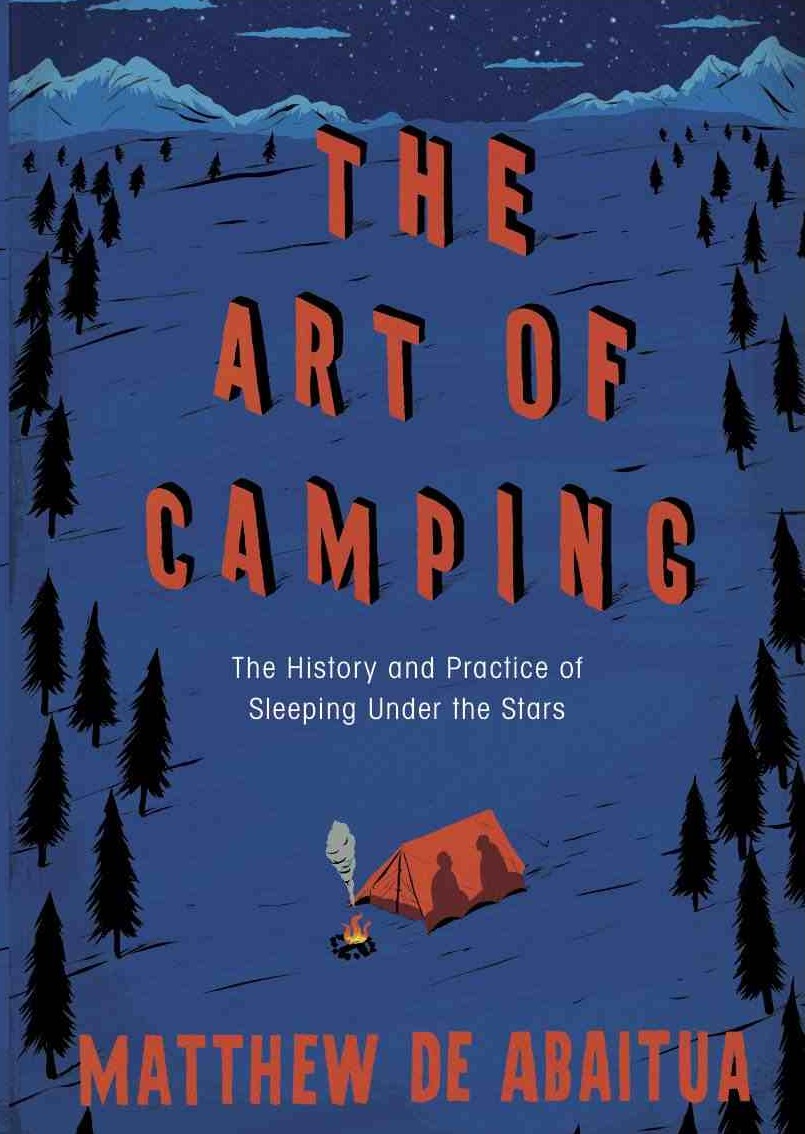
A positive review of The Art of Camping by Alexander Larman in The Spectator:
“Yet his genuine engagement with both the idealistic and practical sides of camping (an appendix by his wife, Cath, provides a thorough packing list of necessities, a welcome and useful touch) means that this seductive account of the pleasures and benefits of a simpler life under canvas will leave all but the most craven with a desire to dig out their tents and head to pastures new. ”
Guyrope Gourmet reviews The Art of Camping
“The Art of Camping captures the reader with a thoroughly researched, detailed and fascinating account of the origins of camping and its development as a recreational pastime. Interspersed with the author’s anecdotes of his formative years as a camper, The Art of Camping evokes the spirit of the campfire and then douses the flames in the reality of modern day life.” Read more
You should also check out Guyrope’s recipes and pick of campsites.

The Art of Camping in Reader’s Digest
The July issue of Reader’s Digest contains a review and brief extract from The Art of Camping. 
